How Does a Laser Work in Pigmentation?
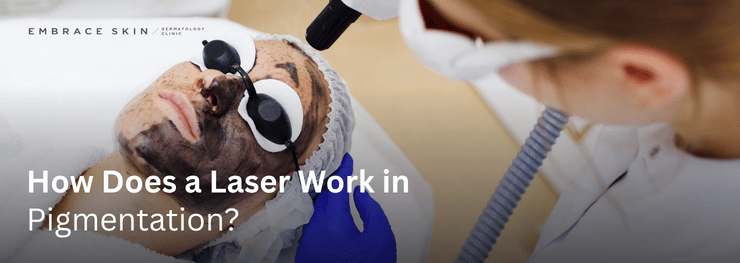
Laser treatment for pigmentation uses selective photothermolysis to target excess melanin without harming surrounding skin. This focused light breaks pigment into tiny fragments, which are naturally cleared by the body over time. For sunspots and melasma, dermatologists in Winnipeg use this precise technology to safely improve uneven skin tone and restore clearer skin.
Common Types of Pigmentation Lasers and Which is Best?
Different skin concerns require different laser technologies. Dermatologists in Winnipeg select the most suitable laser based on pigmentation type, skin tone, and treatment goals. Multiple sessions are usually required for the best results.
Laser Type | Best For | Technology Style | Recovery Time |
IPL (Intense Pulsed Light) | Surface freckles & sun damage | Broad-spectrum light | 3-5 Days |
Q-Switched Laser | Deep brown spots & birthmarks | High-intensity pulses | 5-7 Days |
Pico Laser | Stubborn pigment & Melasma | Ultra-fast "shattering" energy | 1-3 Days |
Fraxel Laser | Texture, scars, and aged pigment | Micro-channel skin renewal | 7-10 Days |
Before and After: How Does a Laser Work in Pigmentation?
Understanding the healing timeline is crucial for patient satisfaction. In most cases of laser treatment for pigmentation, before and after, results do not appear instantly, as the skin must go through a natural biological renewal cycle.
Pre-Treatment (The "Before"): The skin exhibits flat brown or greyish patches. To prepare, patients must avoid sun exposure and harsh chemicals for at least two weeks.
The Procedure: During the session, you may see "frosting," a temporary white film on the skin, indicating the pigment has absorbed the energy.
The Darkening Phase (Days 1-4): Paradoxically, spots often look darker after treatment. This is known as the "peppering effect," where shattered pigment rises to the surface.
The Shedding Phase (Days 7-14): The darkened spots begin to flake off naturally. It is vital not to pick at these spots, as the skin underneath is still healing.
The Final Reveal (The "After"): After about a month, the skin appears significantly brighter and more even-toned.

Can Laser Treatment Remove Pigmentation Permanently?
Laser treatment can significantly reduce or clear existing pigmentation, such as sunspots, age spots, and freckles, by breaking down melanin clusters in the skin. Once these fragments are cleared by the body, the treated spots in the same area usually do not return if proper sun protection is maintained. However, laser treatment only targets existing pigment and cannot prevent new melanin formation in the future.
Sun-induced spots respond well to treatment. With proper UV protection, results are usually long-lasting. Melasma is a chronic condition influenced by hormones, heat, and sun exposure, so it may need maintenance sessions over time.
Ongoing skincare is important even after treatment. For patients seeking care, dermatologists in Winnipeg often recommend strict sun protection, including daily broad-spectrum SPF and antioxidant care. This helps reduce the chance of new pigmentation developing.
Is Laser Treatment for Pigmentation Safe for All Skin Types?
Early laser systems were more suitable for lighter skin tones. Modern technology has made laser treatment safer for a wide range of skin types when appropriate settings are used.
Lighter Skin (Types I-III): These skin tones have higher contrast between pigmentation and surrounding skin. This allows lasers to target spots more easily and with a lower risk of complications.
Medium to Dark Skin (Types IV-VI): These skin types require specific wavelengths, such as the Nd:YAG (1064 nm) laser. It targets deeper pigment while bypassing surface melanin, helping reduce the risk of burns or post-treatment pigmentation changes.
Safety protocols are essential in all cases. Clinics in Winnipeg usually perform a patch test before full treatment. This helps check for post-inflammatory hyperpigmentation (PIH), where the skin may temporarily produce more pigment as a healing response.

Key Benefits of Using a Laser for Skin Pigmentation
Before booking a consultation in Winnipeg, it is important to understand both the benefits and limitations of laser pigmentation treatment.
Benefits of Laser Pigmentation Removal for Clearer Skin
High Precision: Laser treatment can target specific pigmentation without affecting surrounding healthy skin. This makes it more precise than many surface-level treatments.
Collagen Stimulation: Controlled heat from the laser can stimulate collagen production, which may improve skin texture and reduce the appearance of fine lines over time.
Faster Results: In many cases, laser treatment can achieve visible improvement in fewer sessions compared to topical brightening products.
Pigmentation Laser Treatment Side Effects and Limitations
Temporary Skin Changes: Treated areas may darken before fading. This is a normal healing phase where pigment rises to the surface and flakes off. Some patients may also notice temporary redness, mild swelling, or light crusting depending on the type of laser used.
Higher Initial Cost: Laser procedures usually cost more upfront compared to over-the-counter skincare treatments.
Sun Sensitivity: The skin becomes more sensitive after treatment, so direct sun exposure should be avoided, and strict sun protection is required during healing.
Final Takeaway on Laser Treatment for Pigmentation
Laser treatment for pigmentation works by breaking down excess melanin into tiny particles that the body naturally clears over time, helping improve uneven skin tone. Clinical results show it is effective for sunspots and freckles, while conditions like melasma may need ongoing care. Long-term success depends on the correct laser choice, skin type, and strict sun protection to prevent new pigmentation from forming.
At Embrace Skin Clinic, we offer advanced laser treatments for pigmentation that target excess melanin safely and effectively. Our dermatology team in Winnipeg uses precision-based laser technology to reduce sunspots, freckles, and uneven skin tone. This helps restore clearer, more even-looking skin with clinically guided care.
Frequently Asked Questions
How Does a Laser Work in Pigmentation on the Face?
Laser treatment targets excess melanin in the skin using focused light energy. This energy breaks pigment into tiny particles, which are then naturally cleared by the body’s immune system. Over time, this helps reduce dark spots, sunspots, and uneven skin tone while keeping surrounding skin unaffected.
Is Laser Treatment for Pigmentation Painful?
Most people describe laser treatment as mildly uncomfortable rather than painful. It may feel like a snapping sensation, similar to a rubber band on the skin. Dermatologists often use cooling devices or numbing cream to make the procedure more comfortable.
How Long Does a Laser Take to Remove Pigmentation?
Each session usually takes about 15-30 minutes, depending on the area treated. Visible improvement may appear within 1-2 weeks, but full results often require multiple sessions spaced a few weeks apart.
What Are the Disadvantages of Laser Pigmentation Removal?
Laser treatment may cause temporary redness, darkening of spots, or mild swelling after the procedure. The skin also becomes more sensitive to sunlight, so strict sun protection is needed. Multiple sessions might be required, and results can vary depending on skin type and pigmentation depth.
How Many Sessions Are Needed for Laser Pigmentation?
Most patients need about 1-3 sessions for mild sunspots or freckles, while deeper pigmentation or melasma may require 3-6 sessions. The exact number depends on skin type, pigmentation depth, and response to treatment. Sessions are spaced a few weeks apart to allow proper healing and visible improvement.