What Is the Best Treatment for Hyperhidrosis? Complete Guide
Updated: Aug 18

Hyperhidrosis causes sweating beyond what your body needs to regulate temperature. Many people in Canada notice it on their palms, underarms, or feet. This constant moisture can disrupt daily life and create discomfort in social and professional settings. Dermatologists evaluate symptoms carefully to recommend the best treatment for hyperhidrosis based on severity and location.
Today, there are several ways doctors can help manage it. They can offer a range of hyperhidrosis treatment options, from simple topical solutions to advanced medical procedures. Many patients consider Botox for hyperhidrosis because it delivers consistent and predictable results. This guide explains the causes, symptoms, and the most effective ways to manage the condition safely.
What Are the Hyperhidrosis Causes and Symptoms?
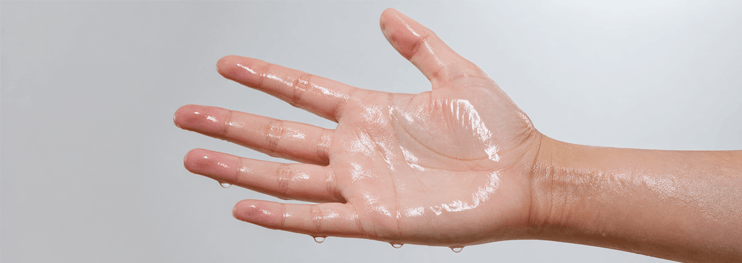
Hyperhidrosis occurs when sweat glands become overactive, often without a clear reason. It can also be linked to other conditions such as thyroid issues, infections, or certain medications. People with hyperhidrosis often notice constant dampness or visible sweat marks. Many also need to change clothes frequently. This ongoing sweating can feel uncomfortable and may affect confidence, daily routines, and social interactions, which is why many look for ways to manage it effectively.
Common symptoms of hyperhidrosis include visible sweat stains, damp palms, and frequent changes of clothing. Many people actively search for ways to stop hyperhidrosis, as it affects confidence and everyday comfort. The condition can also interfere with work, social interactions, and physical activities.
What Are the Hyperhidrosis Treatment Options Available?
There are multiple treatments available in the healthcare industry for hyperhidrosis. Common treatments include:
Prescription Antiperspirants
Aluminum chloride-based antiperspirants are often recommended by doctors as a first step. These products block sweat ducts and reduce moisture in targeted areas. For best results, apply them at night when sweat activity is lower. Some individuals may experience mild irritation, prompting dermatologists to adjust usage based on skin sensitivity.
Botox for Hyperhidrosis
Botox may be considered the best treatment for hyperhidrosis. It works by blocking nerve signals that activate sweat glands. It is commonly used for the underarms, palms, feet, and sometimes the face. Many patients choose hyperhidrosis injections because they deliver noticeable results within days. The effects typically last between six and twelve months.
Dermatologists repeat Botox treatments as sweating returns gradually. This method remains an effective option for many patients with hyperhidrosis who do not respond to topical care. It can significantly improve the quality of life for many patients by reducing both moisture and odor.
Microwave-Based Sweat Gland Reduction
Microwave therapy uses controlled energy to destroy sweat glands in the underarms. This method may provide long-term reduction and requires minimal maintenance. Some patients notice temporary swelling or numbness after the procedure.
Topical Creams and Wipes
Glycopyrronium-based creams and wipes help control facial and scalp sweating. These products reduce gland stimulation and work well for mild-to-moderate cases. These should be used carefully to avoid dryness or irritation. Dermatologists sometimes combine these with other hyperhidrosis treatment options for better results.
Oral Medications
Doctors prescribe medications like glycopyrrolate or oxybutynin to reduce overall sweating. These medications affect nerve signals throughout the body. Some people experience side effects such as dry mouth or dizziness. This approach works best for generalized sweating and is part of broader strategies for managing hyperhidrosis symptoms.
Iontophoresis for Hands and Feet
Iontophoresis uses a mild electrical current in water to reduce sweat production. This method works especially well for hands and feet. Patients need regular sessions to maintain the results. Some individuals use devices after medical guidance as part of their routine for managing hyperhidrosis symptoms.

Comparison of Various Excessive Sweating Treatment Options
Treatment Method | Best Area Treated | Duration of Relief | Maintenance Level | Notes |
Prescription Antiperspirants | Underarms, hands | Short term | Daily use | First step in care |
Botox for hyperhidrosis | Underarms, palms, feet | 6-12 months | Periodic sessions | High satisfaction rate |
Microwave therapy | Underarms | Long term | Low maintenance | Procedure-based option |
Topical wipes/creams | Face, scalp | Short term | Frequent use | Localized control |
Oral medications | Whole body | Variable | Daily use | Systemic effects possible |
Iontophoresis | Hands, feet | Short term | Regular sessions | Device-based therapy |
How to Choose the Hyperhidrosis Treatment in Winnipeg
Choosing the right hyperhidrosis treatment in Winnipeg can take some time, as different options work for different people. Clinics offer treatments like topical products, injections, and device-based methods. Early consultation helps you explore the most suitable hyperhidrosis treatment in Winnipeg based on your needs.
Doctors usually follow a step-by-step approach, starting with simpler treatments before moving to advanced procedures. Many patients eventually choose Botox for hyperhidrosis because it offers reliable and long-lasting results.
Final Thoughts on the Best Treatment for Hyperhidrosis
Living with hyperhidrosis can be challenging, but the right treatment can make a real difference. The best treatment for hyperhidrosis depends on individual needs. From simple antiperspirants to advanced options like Botox and medical procedures, patients can find effective relief. Consulting an experienced dermatologist helps determine the right approach for better sweat control and improved quality of life.
At Embrace Skin Clinic, we offer evidence-based hyperhidrosis treatment in Winnipeg, guided by clinical best practices. Our dermatologists provide personalized care plans using effective techniques to help you manage excessive sweating and regain confidence in your everyday life.
Frequently Asked Questions
What Are the Side Effects of Hyperhidrosis Treatments?
Different hyperhidrosis treatment options may cause mild side effects depending on the method. Prescription antiperspirants can irritate the skin. Botox for hyperhidrosis may lead to temporary soreness or mild muscle weakness at the site of injection. Medical guidance can help manage most short-term effects.
Is Surgery a Good Option for Hyperhidrosis?
Surgery is rarely recommended as a first-line approach by doctors. Instead, they generally suggest hyperhidrosis treatment options like Botox before considering surgical methods. Procedures such as sympathectomy can help in severe cases, but they carry risks like compensatory sweating. Surgery, therefore, becomes an option only when other methods for “how to stop hyperhidrosis” do not work.
Can Hyperhidrosis Be Cured Permanently?
A permanent cure for hyperhidrosis is not typically available. However, treatments like Botox for hyperhidrosis offer temporary relief for several months. The majority of hyperhidrosis treatment options aim for long-term control rather than a complete cure. This is why ongoing care and consistency help in managing hyperhidrosis symptoms effectively.
Is Hyperhidrosis a Serious Problem?
Hyperhidrosis is not life-threatening, but it can significantly affect daily comfort. Proper treatment for excessive sweating can help reduce its impact on work and social life. That’s why many patients rely on Botox for hyperhidrosis to improve control in moderate to severe cases.